
Understanding how to withdraw from gambling when it no longer feels like a choice is one of the key skills any player can acquire https://legianos.eu/fr-be/responsible-gambling/. For Belgian residents engaging with platforms like Legiano Casino, the self-exclusion process offers a organized, legally protected route to reclaim control. It is no form of punishment, nor an acknowledgment of failure. Rather, it serves as a intentional pause button, created with the player’s long-term welfare in mind. The Belgian Gaming Commission has established solid frameworks that render self-exclusion both reachable and enforceable, making sure that once a decision is taken, the environment supports it completely. This guide explains every functional dimension of that process, from the starting point to the eventual possibility of rejoining, always with an focus on transparency, respect, and the assurance that no one has to handle this alone.
Understanding Self-exclusion Really Signifies in Belgium
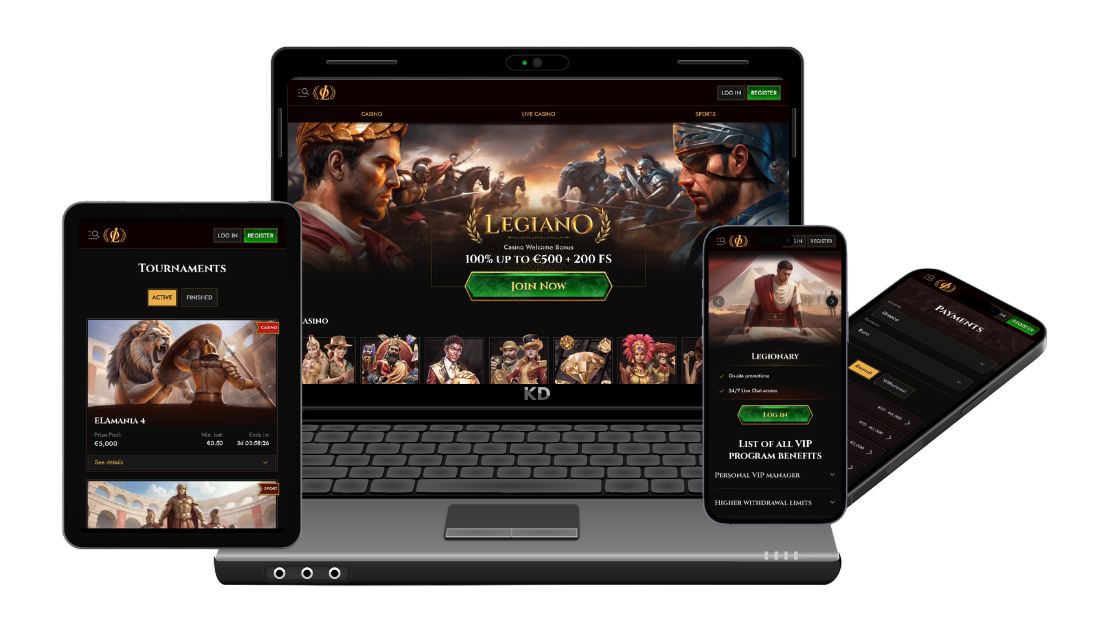
Self-exclusion is a formal agreement between a player and a gambling operator, or in some cases a national authority, to block access to gambling services for a predetermined period. In Belgium, this mechanism is governed by the EPIS system, the Excluded Persons Information System. When a player enrolls for exclusion, their details are recorded into a central database that all licensed operators, including Legiano Casino, are legally required to check. This means the exclusion is not confined to a single website or brand; it extends across the entire regulated market. Any attempt to log in, create a new account, or deposit funds is automatically rejected for the duration of the exclusion. The system lifts the burden of daily willpower from the individual and swaps it with a technical barrier that operates silently in the background. This nationwide coordination is particular to Belgium’s regulatory model and offers a level of protection that fragmented, operator-specific bans simply cannot match.
The way the EPIS National Database Operates
Belgium’s EPIS database is the technological backbone of the country’s player protection infrastructure. Administered under the supervision of the Belgian Gaming Commission, it functions as a real-time verification layer that every licensed operator must incorporate into their registration and login processes. When a player triggers self-exclusion, their identifying information is securely sent to EPIS. From that moment, any operator consulting the database will receive a flag indicating that the individual is banned. The database does not record playing habits, financial transactions, or reasons for exclusion; it holds only the essential identifiers needed to apply the block. This minimalist design respects privacy while boosting effectiveness. For players using Legiano Casino, the experience is smooth. The exclusion request triggers an immediate change, and the protective barrier is operational across all affiliated platforms within a very short period. The system also prevents the creation of duplicate accounts using variations of personal information, closing a common loophole that prevailed in earlier, less sophisticated models.
Acknowledging the Moment to Act
The decision to self-exclude rarely appears unexpectedly. Often, it develops through a sequence of faint indicators that gather over time. These could involve following losses with greater regularity than intended, feeling irritable when not able to play, or detecting that gambling time regularly extends beyond intended limits. Financial markers also contribute, such as using funds allocated for necessary expenses or borrowing to carry on playing. Emotional signals are equally notable: a player could experience guilt after sessions, hide the scope of their activity from family, or sense a constant fixation with the following opportunity to gamble. No single of these indicators alone represents a crisis, but in combination they form a pattern that justifies honest reflection. Recognizing this pattern is not about tagging oneself. It is about recognizing that the existing relationship with gambling has changed in a path that ceases to corresponds with individual values or goals. That recognition is the foundation upon which effective self-exclusion is established.
Step-by-step Guide to Initiating Exclusion
Commencing the self-exclusion process is meant to be straightforward and free of unnecessary friction. The first step is to access the responsible gambling section of the platform, where a dedicated self-exclusion tool is clearly displayed. At Legiano Casino, this page offers clear options for choosing the duration of the exclusion, which can vary from a temporary cooling-off interval to an permanent block. The player submits a digital form that validates their identity and indicates the chosen timeframe. Once submitted, the request is dealt with immediately. The second step involves automatic notification: the system verifies the exclusion via email and terminates the player from all active sessions. Any remaining balance is repaid according to the platform’s standard withdrawal procedures, securing no funds are trapped behind the exclusion wall. The third step is the automatic activation across the EPIS network, extending the protection beyond the initial platform. Throughout this process, no justification is demanded. The player does not have to explain their decision to any customer service representative. The system accepts the request at face value, respecting the autonomy of the individual.

Support Resources and Developing a Balanced Lifestyle
Self-exclusion is a effective structural tool, but it works most effectively when supported by human support and purposeful lifestyle changes. Belgium provides a network of professional resources that work independently of gambling operators. Organizations such as Le Pélican and CAD (Centrum voor Alcohol- en andere Drugproblemen) offer specialized counselling for gambling-related difficulties, including individual therapy, group sessions, and family support programs. Helplines are accessible for prompt, anonymous conversations, and financial counselling services aid restructure debts and improve budgeting skills. The combination of a technical block and therapeutic support forms a comprehensive safety net. During the exclusion period, the time liberated from gambling can be employed to restructure daily routines. Many individuals find that reconnecting with physical activity offers a powerful counterbalance, stimulating natural dopamine and reducing restlessness. Others engage in creative pursuits or skills development that had been overlooked. Social connections also require attention; if a player’s social circle focused on gambling, finding new contexts for connection becomes crucial. Support groups, community organizations, and hobby-based clubs offer environments where relationships develop around shared interests rather than shared risks. This reconstruction is the bridge between the protective barrier of exclusion and a future where gambling either has no role or holds a strictly bounded, recreational one. The following resources form a practical starting point:
- Le Pélican – expert gambling counselling and therapy
- CAD – alcohol and drug problem centres that also address gambling
- Gambling helplines – private, direct support and referral
- Financial counselling services – debt management and budgeting education
- Local support groups – peer-driven mutual aid meetings
What Takes Place to Your Account and Finances
A typical issue that holds up the decision to self-exclude involves doubts about account status and financial balances. This procedure is intended to handle these matters justly and transparently. When activated of self-exclusion, the member’s account is immediately suspended. Login credentials stay active only for checking responsible gambling tools and transaction history; all gaming functions are turned off. All money present in the wallet are not forfeited. The site initiates an automatic withdrawal to the registered payment method on file. If verification documents are outstanding, the user is reached through secure channels to finish the necessary steps without entering the gaming interface. Bonus funds and active promotions are managed according to the terms that were established at the time of acceptance. In most cases, wagering requirements are waived, and the original deposit portion of any mixed balance is returned. The aim is to guarantee that financial closure matches psychological closure. No player should experience being trapped by money left inside a platform they have chosen to leave. This financial integrity is a cornerstone of the responsible gambling framework at Legiano Casino and across all Belgian-licensed operators.
Period Selections and What They Mean in Practice
Selecting the correct duration for self-exclusion requires considering short-term requirements with upcoming plans. Belgian regulations typically offer various options. A temporary exclusion, often set at six months, delivers a organized pause without a permanent obligation. This option suits players who identify initial red flags and aim to break their patterns before habits become entrenched. A mid-length ban, typically covering one to three years, provides a greater distance. This timeframe permits major life changes, the cultivation of different hobbies, and, if wanted, engagement with specialized help. A permanent or indefinite exclusion signals a clear-cut determination to end regulated gambling fully. Players opting for this option need to know that changing it is either impossible or contingent upon a compulsory pause before any evaluation can be asked for. Each tier has unique practical outcomes. Brief bans may be lifted automatically upon expiration, while longer ones often demand a proper renewal process. Grasping these details before filling out the form stops confusion later. The choice must align with genuine introspection, not a compromise driven by momentary optimism or gloom.
Reinstatement: The Thoughtful Path Back
Returning to gambling after a period of self-exclusion is not a simple switch that can be flipped on impulse. Belgian regulations impose a mandatory reflection period before any reactivation request is processed. For exclusions of six months or longer, the player must file a formal application once the exclusion period has ended. This application initiates a review process that may include a cooling-off interval before access is restored. The operator is obliged to assess the request carefully, and in some cases, additional identity verification or responsible gambling limit-setting is mandated before the account becomes active again. This deliberate pace serves a protective function. It prevents a moment of emotional vulnerability from undoing months of disciplined separation. Players thinking about reactivation are encouraged to use the waiting period constructively. Reviewing the reasons that led to the original exclusion, consulting with a counsellor, and establishing strict personal boundaries are all cautious steps. The goal is not to forbid return but to ensure that any return happens under conditions that indicate genuine readiness, not fleeting impulse. Legiano Casino adheres strictly to these national protocols, valuing player safety over commercial convenience.
Confidentiality, Stigma, and the Dignity of the Procedure
One of the most significant barriers to self-exclusion is the concern of exposure. Players worry that their decision will be recorded in ways that impact employment, banking, or social standing. Belgium’s regulatory design specifically addresses this concern. The EPIS database is accessible only to licensed gambling operators for the sole purpose of enforcing exclusion. It is not tied to credit bureaus, employer verification systems, or public records. The information it contains is not disclosed with third parties outside the regulated gambling ecosystem. Furthermore, the self-exclusion request itself is processed without requiring the player to disclose their reasons to a customer support agent. The entire interaction can be carried out through an automated digital interface, preserving anonymity and lessening the emotional weight of the decision. This architecture honors the dignity of the individual, treating self-exclusion as a routine consumer protection mechanism rather than a scarlet letter. Reducing stigma is vital because shame promotes secrecy, and secrecy compromises recovery. When players trust that their privacy is safeguarded, they are better positioned to act early, before problems escalate. That trust is built through transparent data practices and a consistent institutional commitment to confidentiality.
Popular Queries
Can I cancel my self-exclusion before the period ends?
In Belgium, self-exclusion is legally binding for the specified duration. There is no option to cancel it early. Once the period expires, you may file a reactivation request, which will be evaluated according to the operator’s procedures and EPIS requirements. This rule ensures the protective barrier remains intact and stops impulsive reversals.
What is the outcome if I try to open a new account during exclusion?
The EPIS database checks personal details such as name, date of birth, and national register number. Any attempt to register with a licensed operator, even using a different email or address, will be rejected. The system is built to prevent workarounds, guaranteeing the exclusion is active across the entire regulated market.
How do I choose between short-term and permanent exclusion?
The choice relies on your personal goals and the severity of your gambling patterns.
Limited-duration exclusion
A six-month cooling-off is often fitting for early warning signs, giving you space to reassess without a lifelong commitment.
Extended or indefinite exclusion
A longer period or indefinite ban is suggested when gambling has caused significant harm or when you want a definitive separation. Regardless of the tier, the decision should be made with honest self-reflection, not temporary optimism.
Self-exclusion is a deliberate, wise use of the tools that Belgian regulation and responsible operators like Legiano Casino place in every player’s hands. The process respects privacy, works with technical precision, and connects seamlessly to a wider network of human support. From identifying the need to act, through the simple activation steps, to the thoughtful considerations around duration and eventual reactivation, every element is designed to protect without patronizing. The systems are built to accommodate uncertainty, to allow pauses and reflection, and to ensure that dignity remains intact throughout. Whether the exclusion lasts six months or a lifetime, the act of choosing it signifies a reclaiming of agency. That agency, supported by law, technology, and community, is the winnipegfreepress.com foundation upon which a healthier relationship with gambling can be built.